By Lund University
Hybrid dune–dike systems are often celebrated for their role in strengthening coastal protection. But their true potential reaches far beyond safety alone. They can enhance biodiversity, create new recreational spaces, and deliver social and economic value to coastal communities. These added values (known as co-benefits) are at the heart of the research done by DuneFront consortium partner Lund University.
To better understand how these co-benefits emerge in practice, and what helps or hinders their realisation, the DuneFront team turned to those who know the demonstrators best: the people involved in planning and implementing them.
Capturing experience through dialogue
For this research question, the project team of Lund University conducted in-depth, semi-structured interviews with stakeholders across all demonstrator sites. This approach combines structure with flexibility, allowing predefined themes to guide the conversation while leaving room for unexpected insights to surface. It proved particularly valuable given the diversity of perspectives within DuneFront.
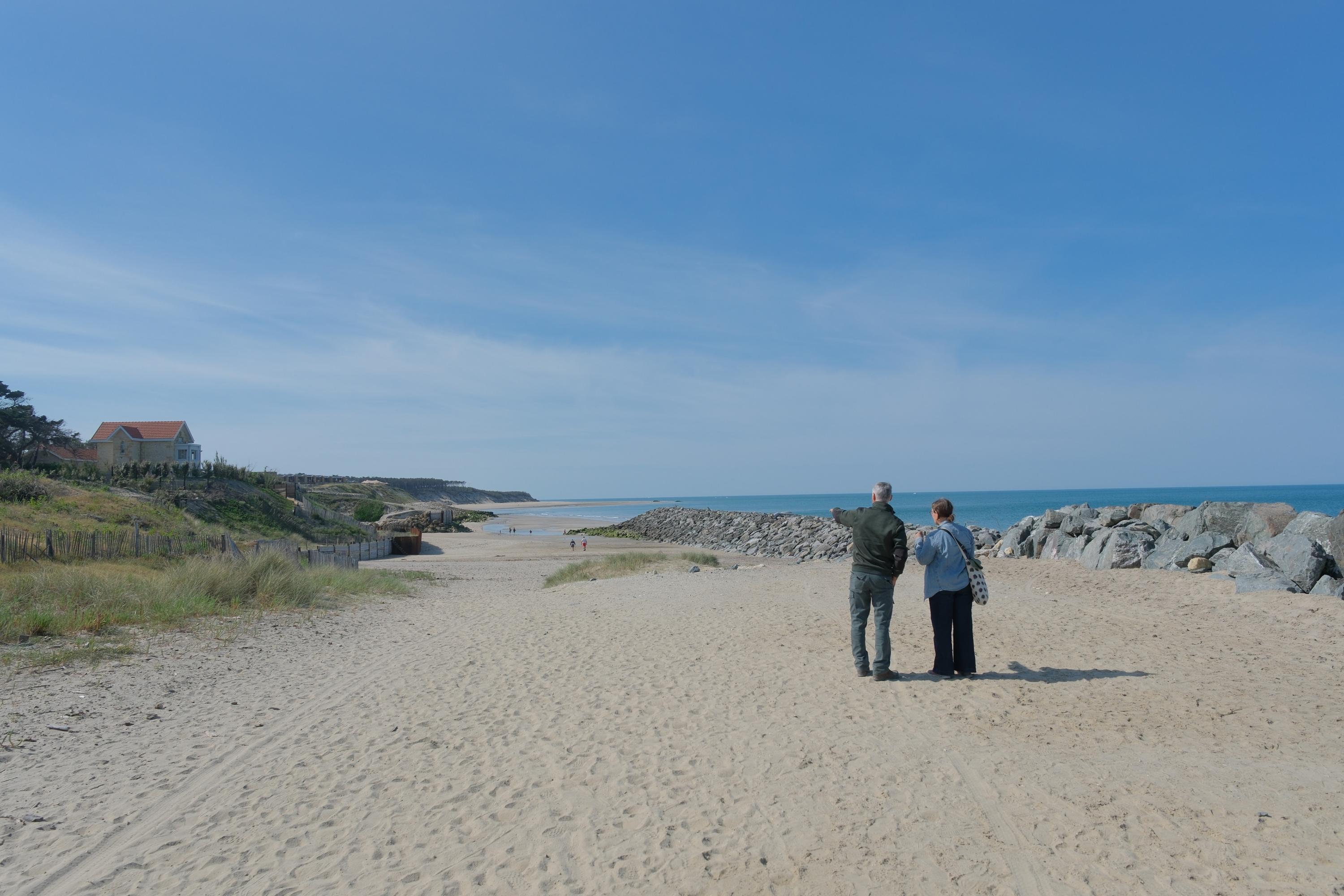
Figure 1: Interviewing local stakeholders at the DuneFront demonstrator sites.
In total, 28 stakeholders were interviewed between mid-January and early October 2025. Participants represented a wide range of organisations, including regional authorities, municipalities, nature conservation agencies, spatial planning offices, and research institutions. Interviews took place on site at demonstrators, in offices, or online, typically lasting between 50 and 90 minutes. To deepen understanding, many interviews were complemented by guided tours of the demonstrators. Bringing plans, challenges, and successes to life on the ground.
From conversations to insights
Once the interviews and field visits were completed, the focus shifted to analysis. Recorded interviews were carefully transcribed, handwritten notes were digitised, and all material was systematically reviewed using thematic analysis. Responses were grouped under common themes informed by earlier literature reviews, with transcripts revisited multiple times to ensure accuracy and consistency.
This rigorous process revealed a clear pattern: many DuneFront demonstrators successfully deliver co-benefits alongside coastal protection, but not without challenges.
Barriers, enablers, and lessons learned
One recurring barrier is competition for space and land use. A compelling example comes from the Prins Hendrik Sand Dike in the Netherlands. Initially designed with a strong focus on biodiversity, the area was converted into a nature reserve. However, restrictions on public access triggered protests from local communities. The solution? A redesign that balanced ecological goals with social needs, adding a bicycle path on top of the dune and reopening part of the beach. The result was a demonstrator that now delivers both biodiversity and recreational co-benefits.
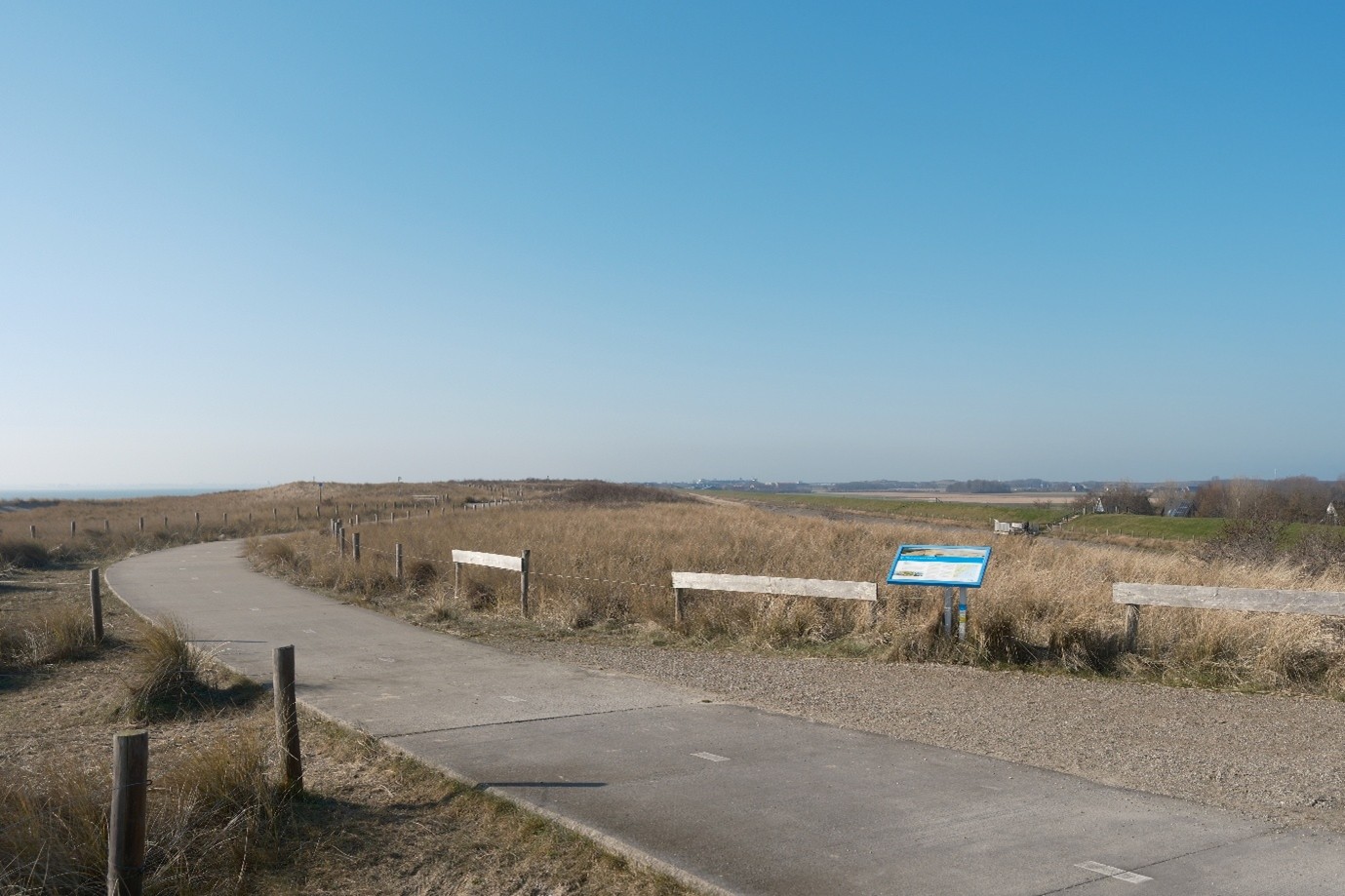
Figure 2: The Prins Hendrik Sand Dike in the Netherlands, combining ecological measures with social needs.
Stakeholders involved reflected that a more inclusive planning process from the outset could have eased tensions and supported smoother implementation. An important lesson for future projects.
Why stakeholder voices matter
Coastal protection measures, especially large-scale hybrid nature-based solutions, inevitably shape both natural landscapes and social environments. Understanding how to maximise positive impacts and minimise negative ones requires more than technical expertise. It requires listening.
The DuneFront interviews underscore the value of qualitative research in coastal engineering and planning. Stakeholders’ lived experiences, local knowledge, and reflections provide insights that cannot be captured by data alone. By listening closely, projects like DuneFront can design solutions that protect coastlines while enriching the communities and ecosystems that depend on them.
Curious about more of this type of research?
Check out our full deliverable on the website: XXX